
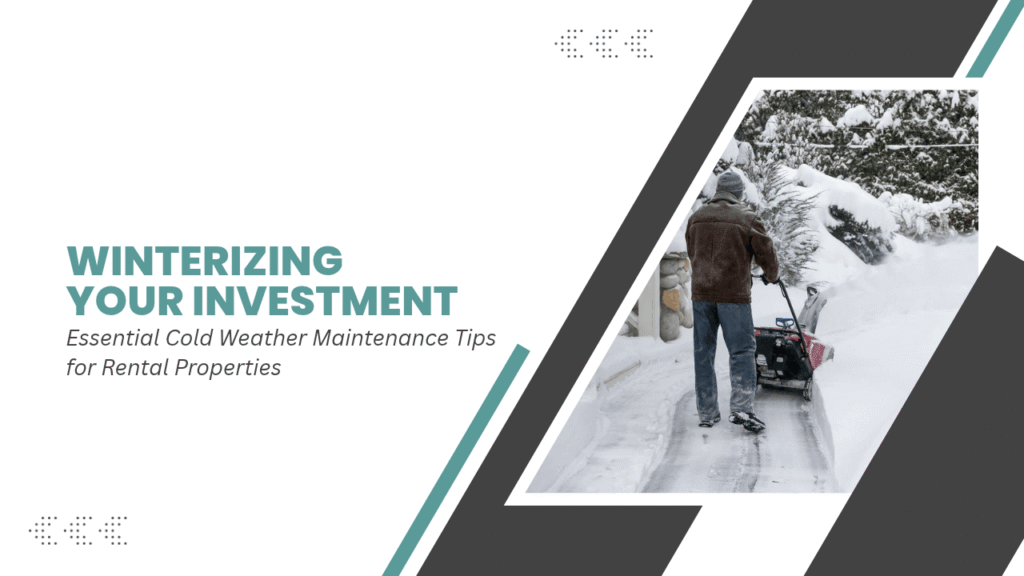
How can you protect your Longmont rental property against Colorado’s harsh winters?
We recommend proactive planning and strong seasonal maintenance.
Colorado winters can be beautiful. But they can also be tough on rental properties. In cities like Longmont, fluctuating temperatures, snow accumulation, and freezing nights can lead to serious property damage if landlords are not prepared. From burst pipes and roof leaks to icy walkways and heating failures, winter-related issues can quickly become expensive emergencies.
For rental property owners, winterizing is an important step in protecting your investment, keeping tenants safe and comfortable, and avoiding costly repairs. Completing key preventative maintenance tasks before temperatures drop can help ensure your rental property remains safe, efficient, and functional throughout the winter months.
Here are our essential winter maintenance tips that we believe every Longmont landlord should prioritize.
Quick Look:
|
Inspect and Service the Heating System
A reliable heating system is one of the most important components of winter property maintenance. Tenants depend on consistent heat not only for comfort but also to prevent secondary problems such as frozen pipes.
Before winter arrives, landlords should schedule a professional inspection of the furnace or HVAC system. A technician can clean internal components, check for worn parts, test safety controls, and confirm the thermostat is operating correctly. Replacing air filters and ensuring vents are unobstructed can also improve efficiency and airflow.
Routine HVAC maintenance helps prevent mid-winter breakdowns, which often occur during the coldest days of the year when repair companies are busiest. Let’s avoid this disruption and expense.
Have You Protected your Plumbing from Freezing?
Frozen pipes are one of the most common and expensive winter problems landlords face in colder climates. When water freezes inside pipes, it expands and can cause pipes to crack or burst, resulting in flooding and extensive water damage.
To help prevent frozen pipes:
- Insulate exposed pipes in basements, crawl spaces, garages, and attics
- Seal gaps or cracks where pipes enter exterior walls
- Shut off and drain outdoor faucets before the first freeze
- Install insulated covers on exterior hose bibs
- Ensure indoor temperatures remain above 55°F, even if tenants are away
In extremely cold weather, tenants may also be advised to open cabinet doors beneath sinks to allow warm air to circulate around pipes. Allowing faucets to drip slightly during extreme cold can also help prevent freezing.
Preventative plumbing protection is far less expensive than repairing burst pipes and water damage.
Clean Gutters and Prevent Ice Dams
Leaves and debris often accumulate in gutters during the fall. If gutters are not cleared before winter, melting snow may not drain properly. This can lead to ice dams, which are thick ridges of ice that form along the edge of the roof and trap water behind them.
Ice dams can force water under shingles and into the home, potentially damaging ceilings, walls, and insulation.
Before winter begins:
- Remove leaves and debris from gutters
- Check that downspouts direct water away from the foundation
- Ensure gutters are securely attached and draining correctly
Proper gutter maintenance helps protect the roof and prevents moisture problems during winter storms.
Inspect the Roof and Exterior
Snow accumulation and freezing temperatures can worsen minor structural problems. A small roof issue in the fall could easily become a major leak during the winter.
Landlords should conduct a thorough exterior inspection and look for:
- Missing or damaged shingles
- Loose flashing around vents or chimneys
- Cracks in siding or masonry
- Signs of water intrusion or structural wear
Addressing these issues early can prevent water damage and costly repairs later in the season. It’s also wise to trim overhanging tree branches that could break under heavy snow and damage the roof.
Working with an experienced roofer and tree expert is important. Contact us if you need referrals.
Improve Insulation and Seal Drafts
Drafty properties lose heat quickly, which increases energy costs and makes it harder to maintain comfortable indoor temperatures.
Check for air leaks around:
- Windows
- Doors
- Utility penetrations
- Attic access points
Sealing gaps with caulking or weatherstripping can significantly reduce heat loss. Improved insulation also allows heating systems to run more efficiently and can help prevent ice dam formation by maintaining consistent roof temperatures.
Older homes in Longmont may particularly benefit from additional attic insulation to improve winter energy efficiency.
Prepare for Snow and Ice Management
Snow and ice create safety concerns and potential liability risks for rental property owners. Walkways, parking areas, and building entrances must remain safe and accessible for tenants.
A snow management plan should include:
- Regular snow removal from sidewalks and driveways
- Applying salt, sand, or ice melt to slippery surfaces
- Keeping entryways and emergency exits clear
Some leases require tenants to remove snow, while others place the responsibility on landlords or property managers. Regardless of the arrangement, expectations should be clearly communicated before winter begins.
Having a clear snow removal plan helps reduce accident risks and protects property owners from potential liability.
Winterize Outdoor Systems: FAQs

Outdoor plumbing and irrigation systems are particularly vulnerable to freezing temperatures.
Q: What should be done with my outdoor irrigation when winter approaches?
A: We recommend you disconnect and store garden hoses and shut off and drain exterior water lines.
Q: I have sprinklers for spring and summer landscaping. Will they be okay in the winter?
A: You should blow out sprinkler systems to ensure no water can freeze inside of them. Protect irrigation valves and exposed outdoor plumbing
Q: What’s the worst-case scenario if these systems are not properly winterized?
A: Water left in the lines may freeze and expand, causing pipes to crack or rupture.
Winterizing your rental property is one of the most effective ways to protect its long-term value. Preventive maintenance reduces emergency repairs, protects key systems, and helps maintain a safe and comfortable living environment for tenants.
A properly winterized rental property means fewer unexpected repair calls, happier tenants, and greater peace of mind throughout the Colorado winter season. Please contact us at Pennant Investment Company if you’d like some help preparing for winter. We serve Boulder and Broomfield Counties, offering customized property management services and investment advice.
